
Nothing challenges the biological mechanism of addiction like witnessing the prevalence of process/behavioural addictions. A process by which has similar neurobiological actions to our reward system as drugs with activities such as gambling, sex, shopping and the internet. With no substance being primarily introduced to manipulate our brain chemistry the behaviour or activity produces similar like cravings and negative life consequences to substances such as cocaine and heroin. Substance abuse and addiction has seen years of focus with the development of treatment protocols, medicine, harm reduction and self-help groups for substances such as alcohol and cocaine and now we are becoming more aware as a society that any behaviour which provides which gives us temporary relief but causes us long term harm has similar constructs to drug addiction.
The moment we started to see people in recovery for gambling addiction return to gambling and risk losing everything we likened this to the person struggling with heroin addiction return to active abuse after understanding the life consequences of engaging in the self-destructive behaviour. The American Journal of Drug & Alcohol Abuse published an article by which they reviewed data illustrating similarities and differences between impulse control disorders or behavioural addictions and substance addictions and resulted in the following –
“ Growing evidence suggests that behavioural addictions resemble substance addictions in many domains, including natural history, phenomenology, tolerance, comorbidity, overlapping genetic contribution, neurobiological mechanisms, and response to treatment, supporting the DSM-V Task Force proposed new category of Addiction and Related Disorders encompassing both substance use disorders and non-substance addictions.” AJDA – Jon E. Grant, Marc N. Potenza, Aviv Weinstein, and David A. Gorelick
Dr Gabor Mate a medical doctor who practiced for many years in East Hastings on the upper east side of Vancouver where they struggled with addiction of massive proportions and author of the insightful book on addiction – “In the Realm of Hungry Ghosts” shares in his book his own struggle with shopping addiction and draws many similarities between his own impulsive behaviour and that of his patients who were often heavily addicted to drugs such as heroin, cocaine and methamphetamine. Dr Mate gives one example when he left a patient in labour to go and purchase a classical disc he so desperately wanted and thus defines addiction as-
“ a complex psychophysiological process, but it has a few key components. I’d say that an addiction manifests in any behaviour that a person finds temporary pleasure or relief in and therefore craves, suffers negative consequences from, and has trouble giving up.” Dr Gabor Mate
Behaviours can become as troubling and symptomatic as drug abuse. Causing a resounding effect on the individual and the inter-personal relationships and in particular the family. The good news is that as we build on similarities we have a recourse of treatment modalities to adapt so the persons afflicted can move into a process of recovery and live a fulfilled and productive life.
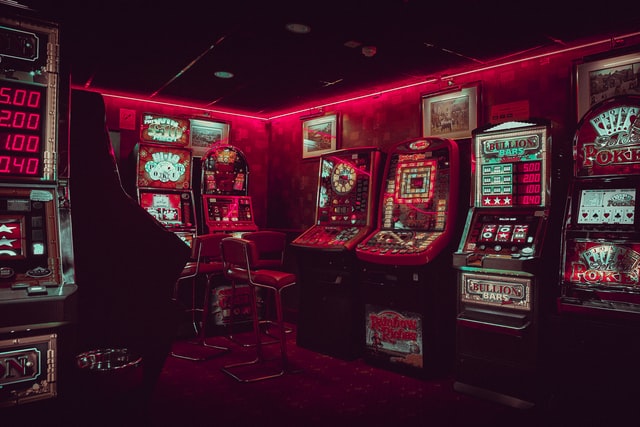
Gambling disorder is currently the only behavioral addiction included in the Diagnostic and Statistical Manual of Mental Disorders (DSM-V). previously, pathological gambling was classified as an “impulse control disorder.” In the DSM-V, pathological gambling was renamed to gambling disorder and moved to a new category “addiction and related disorders.” Self-help groups such as Gamblers Anonymous have provided many people suffering with support. It is not un common to find people moving from a substance to a process like gambling. This is still activating the neurobiological reward mechanism. The gambling addict would identify with sensory triggers like bright lights and the ring of a casino machine similarly to a alcoholic getting triggered by the smell of a bar and music. The compulsion to gamble gets increasingly unhealthy as a major strain gets placed on finances. Bringing in a major trigger, the access to money and the accountability of spending. With the gambler facing whether to place a bet or pay their mortgage if the individual choses to place the bet it would be clear that there is grossly diminished responsibility and a mechanism like substance abuse. At this point intervention would provide the best chance in success.
Possible signs of a gambling addiction can include
- Preoccupation with gambling
- Difficulty controlling gambling, and unsuccessful efforts to cease gambling
- Negative consequences, such as family and employment disruption, and lying about gambling
- Financial problems due to gambling, gambling with increasing amounts of money to achieve excitement and stealing money to gamble
Not everyone in the medical fraternity is convinced on the diagnoses of sex addiction which explains it’s exclusion in the Diagnostic and Statistical Manual of Mental Disorders. However, self-help groups for people struggling with sex and love addiction cater for people that struggle with controlling their engagement with a sexual activity. Primarily characterized by hypersexuality and low self-esteem Sex addiction can often bring the individual short-term relief bus cause significant long term psychological damage. Other consequences such as STI’s and criminal activity contribute to the negative effects of a sexual addiction. Pornography has a definite corelation with sex addiction and the compulsive actions. Put quite simply and outlined in this post if the act has contributed to loss or loss of control it would be wise to identify the addictive characteristics to ascertain if a recovery process is required.
Suggested signs of a sex addiction can include
- Sex dominates the person’s life to the exclusion of other activities and responsibilities.
- Sexual activities may be inappropriate and/or risky and may include exhibitionism, public sex, sex with prostitutes, or regular attendance at sex clubs.
- The constant urge for sex is typically interspersed with feelings of regret, anxiety, depression, or shame.
- The person engages in other forms of sex when alone, including phone sex and pornography.
- The person engages in sex with multiple partners and/or has extramarital affairs.
- The person masturbates habitually when alone.
Shopping addiction can involve both impulsive and compulsive spending. As described earlier by Dr Gabor Mate it is a concern when one avoids life responsibilities to engage in a behaviour which puts strain on life consequences. Shopping has an important financial aspect which evidently involves spending money which can damage relationships. The result of compulsive spending on one’s financial situation can be detrimental. It is most probably the most socially acceptable of the addiction we have mentioned here today. With the advancement of technology and online shopping with gambling, shopping has become accessible from whenever your smart device can connect to the internet.
We live in a rapidly changing society and are starting to understand addiction in a way that is leaning towards addiction being a symptom or a type of antidote to ones suffering. Engaging in an act or behaviour which has negative consequences on your life and you fail to stop repeating the activity could be termed an addiction and you can draw parallels with substance abuse. Therefore the positive and reassuring news is that with more parallels we have more confidence in using evidence based treatment models to treat the act or behaviour.